Things have been quiet around Alive & Knitting the past few days, because I’ve been working on a revision. This is not a bad thing, but it’s always an intense phase. So, naturally, I have an analogy for you.
Writing a book is like weaving a tapestry. You choose your colours the way you might choose your characters, both because you like them and because you like the way they work together – sometimes blending, sometimes contrasting. You choose your pattern the way you might choose your genre or story structure, and you develop a plan before you begin to weave. You warp up the loom and set to work, bringing your vision into reality. Some parts come together beautifully; others have to be rethought and reworked. There are ends to be woven in and unexpected issues to resolve on the fly.
Eventually the rug is done and you’re happy with it. So, you roll it up and put it on your shoulder and march on down to your client – the publisher. Once there, you unfurl it with a flourish before an expectant audience, maybe even saying “Ta da!” And there are lots of appreciative noises. Admiration is expressed.
But one person walks around the rug, thinking. You could think of this as the quality control person for your rug, or the picky client, or – in the case of a book – the editor. A good editor is the one who says “I really like that motif you’ve put along the borders. But see right here? When you changed colours, it muddied the motif. Why did you choose that green? The other green would have worked better.” And you look at the rug and you know she’s right. (grrr)
She walks around to the other side, peers down at the rug, then looks at you. “I think the weaving is a little thin here. Maybe it’s the yarn or maybe you just didn’t weave as densely. Anybody who looks closely at this section will see right through your design.” And you follow and you look and she’s right about that too.
So it continues, the editor asking questions and pointing out places where the rug – or the book – could be improved. There’s a loose (plot) thread here. A block of boring colour there which slows the eye’s progress. (That would be similar to slow pacing, or a passage that is just an info dump.)
Finally she tells you how great it is already and leaves you alone to figure out what to do to address her concerns. Some of it will have to be ripped back and rewoven. Some of it can be embellished. There’s no point in just tearing into the reworking – you’ll just make more work for yourself. Key to doing this well is making a plan, and working gradually through the questions. Because books are like woven tapestries in that you can’t just tug out a thread that’s hanging loose. You can’t glue something over a thin patch or ignore the section where your motif gets muddy. You have to rework it.
That’s what I’m doing right now. It’s going well, but as is usually the case, progress is slow and steady. I do have a special guest booked for you on Thursday and I’m looking forward to that. And in the midst of my thinking, I did finish a knitting project, so I have that to show you on Friday. Until then, though, I’ll be mulling, planning, and reworking. It’s a very, very good thing to have a good editor, because this process ensures that the book goes out into the world looking its very best. 🙂

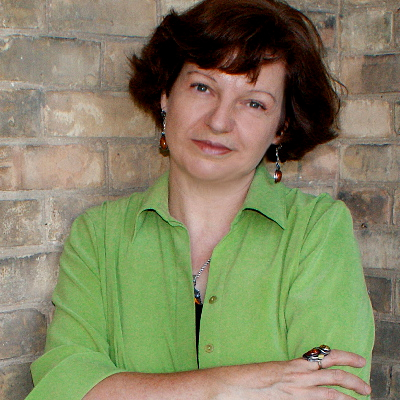
 Deborah Cooke: Author
2 responses to “Editing and Carpets”
Deb, through your diligence you offer us the wonderful worlds of your imagination and there is no need for apologizing to us for that.
In fact quit reading this and get back to work.
🙂
Deb
LikeLike
Ha – thanks Deb. I think I’ve figured out the big answers, now just have to work them into the book. 🙂 Thanks for your supportive comments!
d
LikeLike