So, I’ve been thinking – which usually means trouble. Or at least an analogy. (You’ve been warned!)
I signed up for a workshop online this past month and – although I’ve been quite the delinquent and inattentive student, given everything else going on around here. Deadlines can be distracting like that – I’ve been pondering what little I have read of the presentation. The workshop is The Warrior Writer, and it’s being taught by Bob Mayer. In his introduction, he notes “A key thing to remember as a writer is: pretty much the only power you have in the publishing business is the power to say NO.”
There’s truth in that statement. As authors. we are inclined to say YES, to take what we can get – no matter what it is or who offers it. That takes the power of the decision effectively out of our hands. Allowing ourselves to say NO means figuring out what the heck it is that we want — and not being afraid to tell people what it is.
You have to be careful with saying NO. Some people think that NO means NO, which isn’t unreasonable – when talking to those people, saying NO can end the conversation. For good. Some people, in contrast, think that NO means MAYBE, that it’s a negotiating stance. It’s important to know which kind of person you’re talking to, before you say NO. Alternatively, you can only say NO when you actually mean NO.
But that’s basic business sense. My point today is something else.
You see, I do think that authors have another power in publishing. It comes from the writing in the first place, but it tags along with us to the business of publishing.
That’s the power to choose.
In a way, you could say that’s similar and it is – we can choose whether or not to accept what we’re offered.
But we can also choose between ideas. That’s powerful stuff.
We can choose between tones for our fiction – light or dark? Funny or scary?
We can choose to write long or short, to be poetic or terse, to be descriptive or not.
We can choose the safe road or the risky one, the book of our heart or the sure-bet. (Are there any sure-bets in publishing anymore? Were there ever?)
We can choose which agents we query – and if we’ve done our homework in researching those agents, it becomes less problematic if we just say YES when one of our pre-selected candidates shows an interest.
Similarly, we can choose which editors see our work, which houses, and this will shape our options if those people are interested in our work.
We can choose to engage with our editor, agent, publicist. We can ask questions, make suggestions, share ideas.
All of these choices can affect our publishing destiny.
My favourite is the opportunity to choose between ideas. I have buckets of ideas, as do many writers. I have so many ideas that I could never turn them all into books – I’d have to find a way to write a book every two hours! That means I have to choose between them at fairly regular intervals. That also means that the majority of my ideas will never be developed into books. I find that hard sometimes, because I love them all. I prefer to turn the question around – it’s not that I’m abandoning some of my ideas. I’m choosing the best one to develop right now.
I might be right. I might be wrong. That’s part of the risk in choosing between ideas. (Remember Spiderman? “With great power comes great responsibility.” 🙂 ) Markets are constantly on the move, and authors play as guessing game as to where the market will be, once the book is completed and published. At best, that’s a year out. More likely, it’ll be two or three years (if we’re talking about traditional print publishing). Many things can happen in two or three years.
But I love choosing, playing with ideas, listing their strengths and weaknesses, guessing where that story will take me. I like being an active protagonist in my own publishing career. If I have access to expertise, I will usually ask for input – an editor can be a good source for information in predicting the market’s direction. If you’re in an established publishing relationship, such discussions can give the relationship an even stronger footing – an editor or agent who has contributed to the choice of ideas, will often feel more of a commitment to that idea. That can help the idea ultimately find a home, too.
The trick to being happy with the act of chosing is simple: once I’ve chosen, I love writing the book, no matter which idea led to it. I don’t worry about those other ideas, the ones that didn’t make the cut, because by the time I need to choose again, I’ll have buckets of new ideas. I put everything into the idea I’ve chosen, because its success will determine my options at some point down the road.
So, what do you think? Do you actively choose your path in writing or publishing or reading?

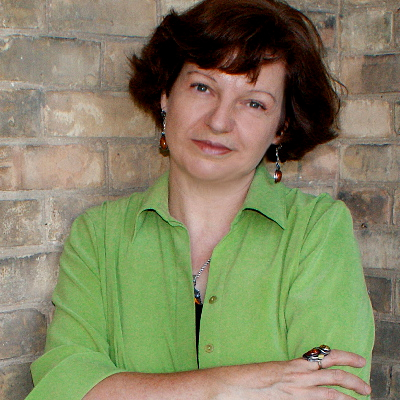
 Deborah Cooke: Author